Prefer a guided read? The Kybalion Explained is a plain-English companion to all seven principles, with history, modern examples, and common misconceptions.
Get the ebook · $9.99The short answer
Yes, for most curious readers, if you read it for what it is. The Kybalion is a short, influential book published in 1908 that sets out seven “Hermetic principles.” It is not an ancient scripture and not a science text. Read that way, it is worth your time: it is brief, memorable, free in the public domain, and it gives you a vocabulary that turns up all over modern spirituality, self-help, and pop culture.
What the Kybalion is (and isn’t)
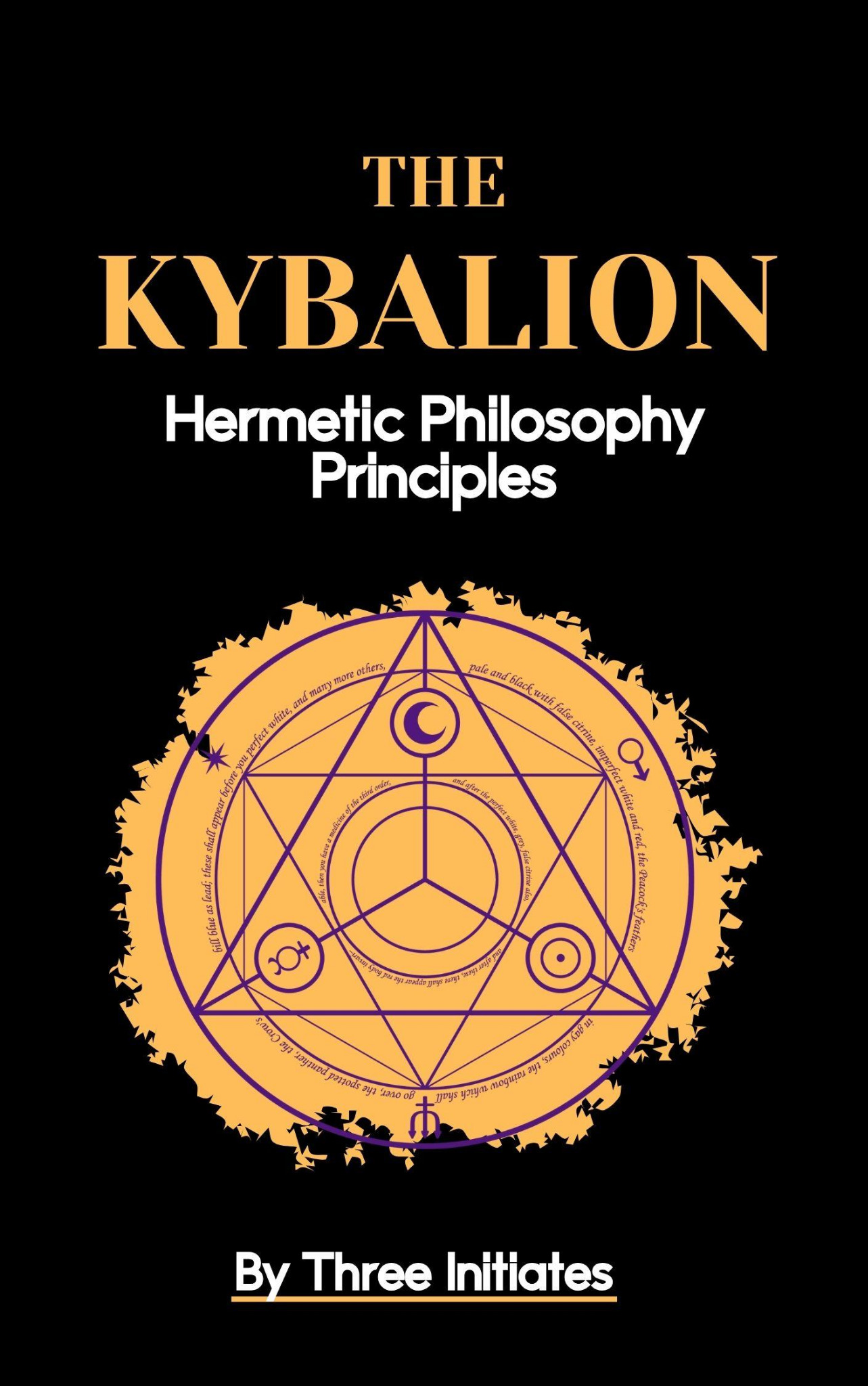
The book was published in Chicago by the Yogi Publication Society under the byline “Three Initiates.” William Walker Atkinson, a prolific New Thought writer, is the author most often proposed, though the attribution is not absolutely settled (see Who were the Three Initiates?). It presents itself as ancient Hermetic teaching, but its vocabulary belongs to the early twentieth century, and it is not part of the ancient Corpus Hermeticum. More background: What is The Kybalion?
Reasons it’s worth reading
- It’s short and memorable. Seven principles, each with a one-line maxim, are easy to remember and return to.
- It’s influential. Phrases like “as above, so below,” “everything vibrates,” and the idea that thought shapes experience reached millions of readers through this book and the movement around it.
- It’s useful as a set of lenses. Polarity helps with shifting moods by degrees, Rhythm with resilience in down cycles, Cause and Effect with acting deliberately.
- It’s free. The 1908 text is in the public domain.
Reasons you might be disappointed
- The style is dense and old-fashioned, with lots of capitalized terms (THE ALL, planes, Masters).
- Its claim to be ancient is not supported by historians.
- It borrows scientific language from around 1900, which can read as pseudo-science today.
- It often states rather than argues, so skeptical readers can find it frustrating.
- The chapter on the Principle of Gender uses dated language that is easy to misread.
Who should read it
A good fit if you are curious about Hermeticism, New Thought, or the roots of modern “manifestation” ideas; you like reflective frameworks; or you keep running into its quotes and want the source.
Maybe skip it (or read a guide first) if you want historically accurate ancient Hermetic texts, rigorous philosophy, or a scientific account of mind and energy.
How to get the most out of it
Read one principle at a time. Keep notes on where it matches your experience and where it doesn’t. Keep history and interpretation separate. And pair it with a plain-English explanation: start with our free one-page summary of the seven principles, use the glossary for the unusual terms, and see our guide to companion books for beginners.
Frequently asked questions
01Is the Kybalion worth reading?
For most curious readers, yes, as long as you read it for what it is: a short, influential 1908 book of modern Hermetic philosophy, not an ancient scripture or a science text. It gives you seven memorable principles that still shape modern spirituality and self-help.
02How long does it take to read the Kybalion?
It is a short book. Many readers get through it in a few sittings, but it rewards slower reading: one principle at a time, with notes.
03Should I read the Kybalion or the Corpus Hermeticum first?
For most beginners, start with the Kybalion because it is shorter and more direct. Then read the Corpus Hermeticum as a separate, much older body of texts, without assuming the two teach the same thing.
04Is the Kybalion an ancient text?
No. It was published in Chicago in 1908 under the name “Three Initiates.” It claims continuity with ancient Hermetic wisdom, but historians read it as a product of the early-1900s New Thought movement.
The companion ebook
Read the seven principles, explained
The Kybalion Explained offers plain-language definitions, historical context, grounded examples, and common misconceptions for all seven Hermetic principles.
Get the ebook · $9.99Credited to Three Initiates · RPC Publishing House · ISBN 9798224918836 · all ebook stores via Books2Read