
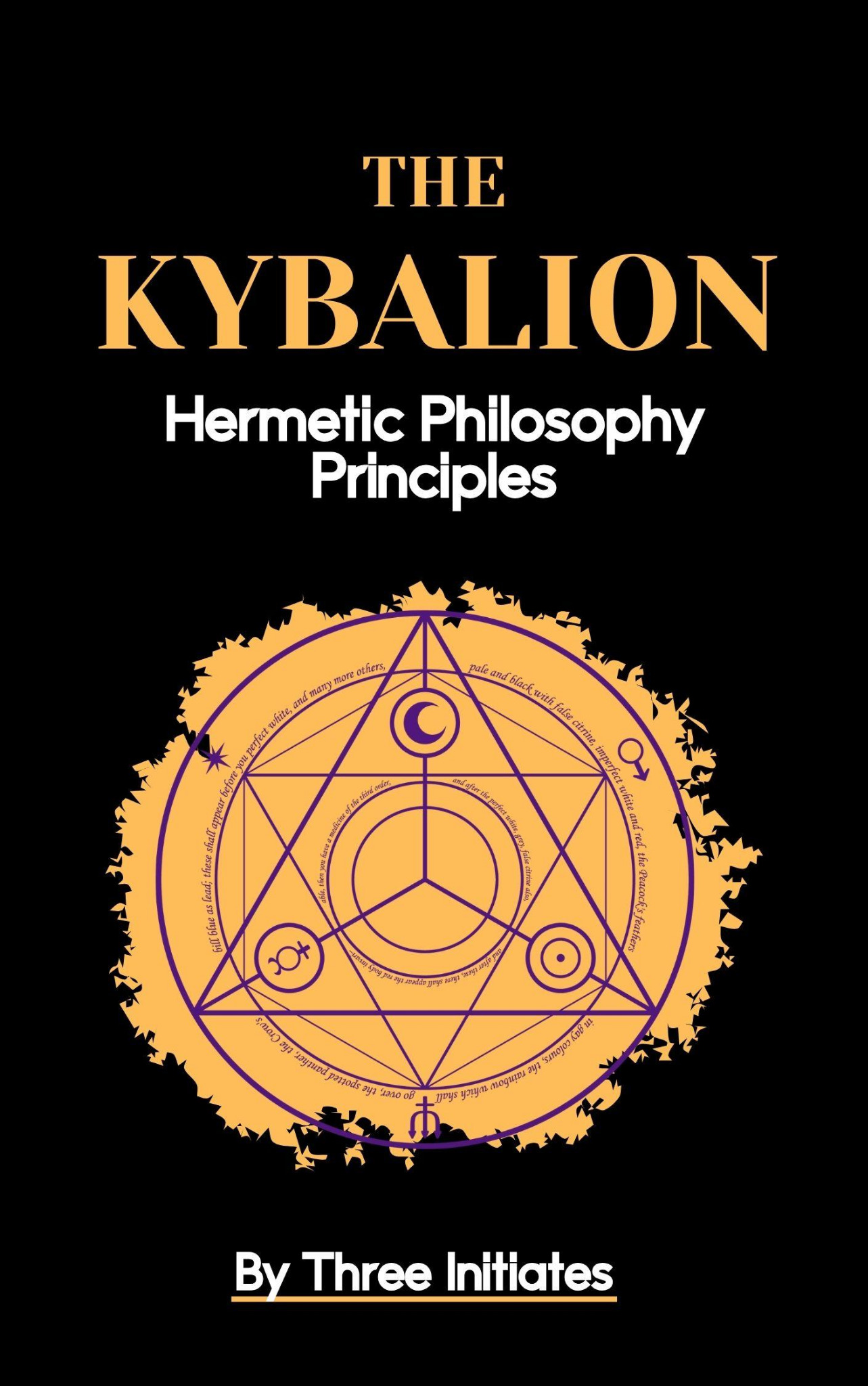
Disclosure: this site is run by RPC Publishing House, the publisher of The Kybalion Explained. We include options that aren’t ours and explain who each one suits.
Prefer a guided read? The Kybalion Explained is a plain-English companion to all seven principles, with history, modern examples, and common misconceptions.
Get the ebook · $9.99What a beginner actually needs
The original Kybalion is short but dense. A good companion should: explain each principle in plain language; separate the 1908 book from the much older Hermetic texts; give everyday examples; flag common misreadings (manifestation, pseudo-science, the Principle of Gender); and treat the authorship question fairly.
The options, compared
1. The original Kybalion (1908)
Best for: readers who want the source. It is free in the public domain. Limits: old-fashioned style and no historical context.
2. The Kybalion Explained (RPC Publishing House, ebook, $9.99)
Best for: beginners who want a plain-English, skeptic-friendly walk-through of all seven principles. It offers plain-language definitions, grounded modern examples, historical distinctions between the ancient Hermetica and the 1908 text, and common misconceptions. Limits: it is a reader’s guide, not an academic history. See it in your ebook store or read more on the book page.
3. An annotated edition with a historical introduction
Best for: readers curious about who wrote the book and why. The Kybalion: The Definitive Edition (Tarcher/Penguin, 2011) includes the full text with a historical introduction by religious scholar Philip Deslippe. Limits: the focus is history rather than principle-by-principle explanation.
4. A scholarly translation of the ancient Hermetica
Best for: readers who want the ancient sources, such as Brian P. Copenhaver’s Hermetica (Cambridge University Press, 1992), a translation of the Corpus Hermeticum and Asclepius. Limits: it is not about The Kybalion itself, and it is more demanding. See The Kybalion vs. the Corpus Hermeticum.
Our pick for beginners, with caveats
If your goal is to understand the seven principles quickly and without mystification, The Kybalion Explained is written for exactly that reader. If your main interest is the history of the book, start with an annotated edition. If you want ancient Hermeticism, go to a scholarly translation.
A simple reading order
- Get the big picture from our free one-page Kybalion summary.
- Read the original one principle at a time, alongside a companion guide such as The Kybalion Explained.
- Use the principle guides and glossary when a term is unclear.
- For history, read an annotated edition. For ancient sources, go on to the Corpus Hermeticum.
Not sure the original is for you? Read Is The Kybalion worth reading?
Frequently asked questions
01What is the best Kybalion companion book for beginners?
It depends on what you want. For a plain-English walk-through of all seven principles with history and misconceptions, we (as its publisher) recommend The Kybalion Explained. For the historical background of the original, an annotated edition such as The Kybalion: The Definitive Edition (Tarcher/Penguin, 2011, with an introduction by Philip Deslippe) is a strong choice.
02Who is The Kybalion Explained by?
It is credited to Three Initiates and published by RPC Publishing House (ISBN 9798224918836). It is an ebook priced at $9.99, available from multiple ebook stores through Books2Read.
03Do I need to read the original Kybalion first?
No. Many beginners find it easier to start with a plain-English overview, such as our free one-page summary, and then read the original alongside a companion guide, one principle at a time. The 1908 text is in the public domain.
The companion ebook
Read the seven principles, explained
The Kybalion Explained offers plain-language definitions, historical context, grounded examples, and common misconceptions for all seven Hermetic principles.
Get the ebook · $9.99Credited to Three Initiates · RPC Publishing House · ISBN 9798224918836 · all ebook stores via Books2Read